
Diabetes Can Damage Your Eyes Without Warning: What Every Diabetic Patient Should Know

Diabetes affects more than blood sugar levels. Over time, consistently high blood glucose can damage the tiny blood vessels that supply the retina — the light-sensitive layer at the back of the eye. This condition is known as diabetic retinopathy.
One of the biggest concerns is that diabetic retinopathy may develop without noticeable symptoms in its early stages. A person may see clearly and feel that their eyes are healthy while changes are already taking place inside the retina.
This is why regular retinal examinations are important for people living with diabetes, even when their vision seems normal.
In this guide, we explain how diabetes affects the eyes, the early signs to watch for, why a routine diabetic eye checkup matters, and when to consult a retina specialist.
Regular eye examinations are an important part of maintaining healthy vision, especially for people living with diabetes. Scheduling an Eye Checkup in Kolhapur can help identify potential eye problems and allow timely evaluation by an eye-care professional.
What Is Diabetic Retinopathy?
Diabetic retinopathy is an eye condition caused by damage to the small blood vessels in the retina due to diabetes.
The retina is a thin layer of tissue at the back of the eye. It receives light and sends visual signals to the brain, allowing us to see clearly.
When blood glucose levels remain high over a long period, the tiny retinal blood vessels can become weak, damaged or blocked. They may leak fluid or blood into the retina. In more advanced stages, abnormal new blood vessels may develop.
If the condition is not detected and managed in time, it can affect central or peripheral vision and may lead to severe vision loss.
Important: Diabetic retinopathy can affect people with both Type 1 and Type 2 diabetes. The risk generally increases with the duration of diabetes.
How Does Diabetes Damage the Eyes?
High blood sugar can gradually affect the blood vessels throughout the body, including the very small vessels inside the retina.
The damage may develop in different ways:
1. Leakage from retinal blood vessels
The walls of retinal blood vessels may become weak and allow fluid or small amounts of blood to leak into the surrounding retinal tissue.
2. Swelling in the retina
When fluid accumulates in the macula — the central part of the retina responsible for detailed vision — it can cause diabetic macular oedema. This may make reading, recognising faces and seeing fine details difficult.
3. Blocked blood vessels
Some retinal blood vessels may become blocked, reducing the supply of oxygen to parts of the retina.
4. Growth of abnormal blood vessels
In advanced diabetic retinopathy, the retina may respond to poor oxygen supply by developing abnormal new blood vessels. These vessels are fragile and can bleed into the vitreous, the gel-like substance inside the eye.
This can cause sudden floaters, blurred vision or significant vision loss.
What Are the Stages of Diabetic Retinopathy?
Diabetic retinopathy generally progresses through different stages. Not every person develops every stage, and the rate of progression varies.
1. Mild Non-Proliferative Diabetic Retinopathy
This is an early stage. Small areas of swelling in the retinal blood vessels, called microaneurysms, may appear.
There may be no noticeable change in vision at this stage. A retinal examination is important because these changes may only be visible during an eye evaluation.
2. Moderate Non-Proliferative Diabetic Retinopathy
As the condition progresses, some retinal blood vessels may become blocked or show more significant changes.
The retina may receive less oxygen, although the person may still not notice any obvious symptoms.
3. Severe Non-Proliferative Diabetic Retinopathy
A larger number of retinal blood vessels become blocked. The retina may receive an inadequate oxygen supply, increasing the risk of abnormal blood vessel growth.
Closer monitoring and timely specialist assessment become particularly important.
4. Proliferative Diabetic Retinopathy
This is an advanced stage of the condition.
Abnormal new blood vessels grow on the surface of the retina or into the vitreous. These vessels are fragile and may bleed.
Possible complications include:
- Bleeding inside the eye (vitreous haemorrhage).
- Scar tissue formation.
- Retinal detachment due to traction from scar tissue.
- Severe or permanent vision loss if complications are not treated in time.
Early diagnosis and appropriate treatment can help reduce the risk of serious complications.
Why Can Diabetic Retinopathy Go Unnoticed?
Many people assume that if they can read, drive and perform everyday activities without difficulty, their eyes must be healthy.
However, diabetic retinopathy does not always cause symptoms in its early stages.
A person may have retinal changes without experiencing pain, redness or blurred vision. Even when the condition becomes more advanced, symptoms may not appear until the macula is affected or bleeding occurs inside the eye.
This is why waiting for symptoms is not a reliable way to monitor diabetic eye health.
A diabetic eye checkup allows an eye specialist to examine the retina and identify changes that may not be noticeable to the patient.
What Are the Warning Signs of Diabetic Retinopathy?
Although early diabetic retinopathy may have no symptoms, certain changes in vision should not be ignored.
Watch for the following signs:
1. Blurred vision
Your vision may become unclear or fluctuate. This can sometimes be related to changes in blood glucose, but persistent or sudden blurring needs an eye examination.
2. Dark spots or floaters
You may notice small dark spots, specks, cobweb-like shapes or floating shadows in your vision. New or sudden floaters need prompt assessment.
3. Difficulty reading
You may find it harder to read small print, recognise faces or focus on fine details.
4. Dark or empty areas in your vision
Some people notice patches where vision appears missing or reduced.
5. Fluctuating vision
Your vision may seem clear at one time and blurred at another. Blood sugar fluctuations can affect vision, but recurring changes should be discussed with an eye specialist.
6. Sudden loss of vision
A sudden drop in vision can indicate bleeding or another serious eye problem. It requires urgent medical attention.
Do not wait for these symptoms to become severe. A routine retinal examination is important even if you have no visual complaints.
Who Is at Higher Risk of Diabetic Retinopathy?
Anyone with diabetes can develop diabetic retinopathy. However, certain factors can increase the likelihood of developing the condition or make it progress faster.
These include:
- Longer duration of diabetes: The risk generally increases the longer a person has diabetes.
- Poor blood sugar control: Persistently high blood glucose can increase damage to retinal blood vessels.
- High blood pressure: Uncontrolled blood pressure can contribute to damage in the retinal blood vessels.
- Abnormal cholesterol levels: Lipid abnormalities may be associated with a higher risk of diabetic eye complications.
- Kidney disease: Diabetes-related kidney problems may occur alongside diabetic retinopathy.
- Pregnancy in women with pre-existing diabetes: Pregnancy can increase the risk of progression of diabetic retinopathy, so appropriate eye assessment is important.
Having one or more of these risk factors does not mean that you will definitely develop vision problems. It does mean that regular medical and eye assessments are especially important.
Why Is a Regular Diabetic Eye Checkup Important?
A blood sugar test tells you about your glucose levels. It does not show whether diabetes has affected the retina.
A retinal examination helps the eye specialist look for changes in the blood vessels, retinal swelling, bleeding and other signs of diabetic eye disease.
For people with diabetes, an eye examination should be part of routine diabetes care — not something to consider only after vision becomes blurred.
When should you get your first eye examination?
The timing depends on the type of diabetes:
- Type 2 diabetes: A comprehensive dilated eye examination is generally recommended at the time of diagnosis.
- Type 1 diabetes in adults: The first comprehensive dilated eye examination is generally recommended within five years after the onset of diabetes, as advised by the treating eye-care professional.
- Known diabetic retinopathy: Follow-up examinations are usually needed at least annually, and more frequently if the condition is progressing or sight-threatening.
- Pregnancy with pre-existing Type 1 or Type 2 diabetes: An eye examination is recommended before pregnancy or soon after conception, with follow-up based on the retinal findings and the ophthalmologist’s advice.
The interval between examinations should be decided by the eye specialist based on your retinal condition, diabetes control and other risk factors. Some people with repeated normal examinations and well-controlled diabetes may be advised to have screening every one to two years.
What Happens During a Diabetic Retinal Examination?
A diabetic retinal examination is designed to check the health of the retina and identify signs of diabetes-related damage.
Depending on your condition, the eye specialist may recommend the following:
1. Vision assessment
Your eyesight is checked to identify changes in visual clarity.
2. Dilated retinal examination
Eye drops may be used to widen the pupils so the doctor can examine the back of the eye, including the retina and optic nerve.
3. Fundus photography
A photograph of the retina may be taken to document its condition and help monitor changes over time.
4. OCT scan
Optical Coherence Tomography (OCT) produces detailed cross-sectional images of the retina. It can help identify swelling or fluid accumulation in the macula.
Not every patient requires every test. The eye specialist will recommend investigations according to the findings and individual risk.
What Are the Treatment Options for Diabetic Retinopathy?
Treatment depends on the stage of diabetic retinopathy, the presence of macular oedema and whether complications have developed.
Not every patient requires immediate treatment. In early stages, the eye specialist may recommend regular monitoring along with good control of diabetes and associated risk factors.
Depending on the condition, treatment may include:
1. Blood Sugar, Blood Pressure and Cholesterol Management
Maintaining blood glucose, blood pressure and cholesterol within the targets set by your treating physician is an important part of managing diabetic retinopathy.
Good diabetes management can help reduce the risk of developing retinopathy and may slow its progression. It does not replace retinal examinations or specialist treatment when required.
2. Anti-VEGF Injections
In certain cases, particularly diabetic macular oedema and some forms of advanced diabetic retinopathy, injections of anti-VEGF medication may be recommended.
These medicines help reduce abnormal blood vessel activity and leakage. The number and timing of injections depend on the retinal condition and response to treatment.
3. Retinal Laser Treatment
Laser treatment may be recommended for selected cases of diabetic retinopathy.
Depending on the condition, laser may be used to treat areas of the retina affected by abnormal blood vessels or to help manage certain forms of diabetic macular oedema.
4. Vitrectomy Surgery
In advanced cases, surgery called vitrectomy may be required.
It may be considered when there is significant bleeding inside the eye, tractional retinal detachment or other complications that cannot be adequately managed with other treatments.
The appropriate treatment is determined after a detailed retinal examination. Not every patient with diabetic retinopathy needs injections, laser treatment or surgery.
Can Diabetic Retinopathy Be Prevented?
Diabetes-related retinal damage cannot always be prevented, but the risk of developing or worsening diabetic retinopathy can be reduced through consistent diabetes management and regular eye examinations.
Here are some important steps:
- Monitor blood sugar regularly: Follow your diabetes management plan and attend scheduled reviews.
- Keep blood pressure under control: High blood pressure can increase the risk of retinal damage.
- Monitor cholesterol levels: Follow your physician’s advice regarding lipid management.
- Attend regular retinal examinations: Do not skip an eye checkup just because your vision seems normal.
- Follow prescribed treatment: Do not stop or change diabetes medication without consulting your treating physician.
- Inform your doctor about pregnancy plans: If you have pre-existing diabetes, discuss retinal assessment before or early in pregnancy.
- Report changes in vision promptly: Sudden floaters, flashes, a curtain-like shadow or sudden vision loss need urgent eye assessment.
Remember, managing diabetes is a long-term process. Protecting your vision should be part of that process.
When Should You Consult a Retina Specialist?
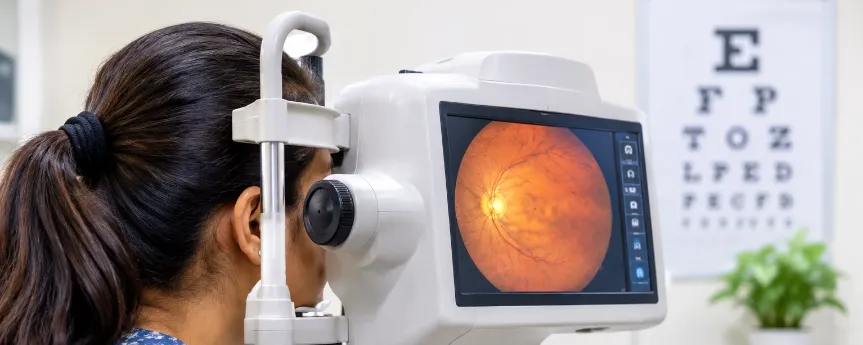
People with diabetes should undergo regular retinal assessments, even if they do not experience vision problems. Consulting a Retina Specialist in Kolhapur can help evaluate retinal health and identify diabetes-related changes at an appropriate stage.
You should arrange a retinal assessment if you have diabetes and have never had your retina examined, or if your follow-up examination is overdue.
You should seek urgent eye care if you experience:
- Sudden loss or significant reduction of vision.
- A sudden increase in floaters or dark spots.
- Flashes of light.
- A curtain-like shadow across your vision.
- Sudden or severe blurring of vision.
These symptoms can be associated with serious retinal problems and should not be assumed to be caused by diabetes alone.
If you are living with diabetes in Kolhapur, a timely retina specialist in Kolhapur can assess your retinal health and advise you about the appropriate follow-up or treatment.
Diabetic Retinopathy: Frequently Asked Questions
1. Can diabetic retinopathy occur without symptoms?
Yes. Diabetic retinopathy can develop without noticeable symptoms, particularly in its early stages. Some people may have retinal damage even when their vision appears normal. Regular retinal examinations are therefore important for people with diabetes.
2. How often should a diabetic patient get an eye checkup?
The recommended frequency depends on the type of diabetes and retinal findings. People with Type 2 diabetes generally need an initial dilated eye examination at diagnosis. Adults with Type 1 diabetes generally need an initial examination within five years of onset. If retinopathy is present, examinations are usually required at least annually and may be needed more frequently.
3. Can diabetic retinopathy cause blindness?
Advanced diabetic retinopathy can cause severe and sometimes permanent vision loss. However, early detection and appropriate treatment can reduce the risk of sight-threatening complications.
4. Can diabetic retinopathy be treated?
Yes. Depending on its stage and complications, treatment may include monitoring, improved management of blood sugar and other risk factors, anti-VEGF injections, laser treatment or vitrectomy surgery. The appropriate option depends on the individual retinal examination.
5. Can I have diabetic retinopathy even if my blood sugar is controlled?
Yes. Good blood sugar control reduces the risk of developing or worsening diabetic retinopathy, but it does not eliminate the risk completely. The duration of diabetes and other health factors also matter. Regular retinal examinations remain important.
6. Is a normal vision test enough to rule out diabetic retinopathy?
No. A routine vision test checks how clearly you can see, but it may not identify early changes in the retinal blood vessels. A dilated retinal examination, and additional tests when needed, help assess the retina.
7. Which doctor should I consult for diabetic retinopathy in Kolhapur?
A qualified ophthalmologist can examine the retina and determine whether specialist retinal assessment or treatment is required. If diabetic retinopathy or a retinal complication is suspected, consult an eye-care professional with appropriate retinal expertise.
About Drishti Deep Phaco & Eye Care Centre, Kolhapur
Drishti Deep Phaco & Eye Care Centre provides eye-care services in Kolhapur, with clinics at Bindu Chowk and Nagala Park.
The centre is associated with Dr. Mandar Patil (MS Ophthalmology), who has over 31 years of experience in eye care.
For professional eye-care guidance and evaluation, patients can consult an experienced ophthalmologist. Learn more about finding Eye Doctor in Kolhapur for your eye-care needs.
People living with diabetes should not wait for blurred vision or other symptoms before getting their retina examined. A timely eye assessment can help identify diabetes-related changes and determine whether monitoring or further treatment is needed.
For information about eye examinations and available eye-care services, contact Drishti Deep Phaco & Eye Care Centre.
Clinic locations:
Bindu Chowk
633, Shivaji Road, Bindu Chowk, C Ward, Laxmipuri, Kolhapur, Maharashtra.
Nagala Park
249/31, E Ward, Nagala Park, Kolhapur, Maharashtra.
Contact: 9766710636
Website: www.drishtideepnetraseva.com
Medical note: This article is for general educational purposes. It does not replace a clinical examination or individual medical advice. The timing of screening and the choice of treatment should be decided by the treating ophthalmologist based on the patient’s condition.
